
Why You Don’t Have to Carry Every Label Given to You
September 14, 2026
Breaking Through Procrastination: Why “Just Doing It” Is the Ultimate Key to Personal Growth
September 30, 2026
Navigating Life Transitions
Life rarely moves in a straight line. Whether you are scaling a business, shifting careers, or dealing with unexpected personal shifts, one of the most common hurdles we encounter is a profound lack of stability.
Navigating Life Transitions
Watch the video, then continue reading below for practical ways to create stability during seasons of change.
Change naturally introduces chaos. While some people—especially entrepreneurs and high-performers—actually function quite well and thrive in high-chaos environments, prolonged instability eventually wears everyone down.
It takes a unique skill set to embrace ambiguity, but even the most adaptable individuals reach a point where they crave an anchor.
When everything around you feels up in the air, how do you maintain your footing? Let’s explore the core principles of managing major life transitions, assessing what is within your control, and building unshakeable habits to keep you grounded.
The Nature of Chaos in Entrepreneurship and Life
Change is an inevitable catalyst for growth, but the transitional phases often strip away our familiar routines, comfort zones, and safety nets.
Entrepreneurs and creative professionals often pride themselves on their ability to navigate chaos. It is a talent and a skill to look at an unstructured, unpredictable landscape and build something from it. In fact, many people become most comfortable operating in that exact space of high-velocity movement.
However, a chaotic environment becomes dangerous when it is completely devoid of stable reference points.
When external factors are constantly shifting—markets fluctuate, personal relationships hit rocky patches, health concerns arise, or schedules break down—the lack of predictability causes mental fatigue.
When you find yourself in a season of heavy transition and craving stability, you need to step back and evaluate two critical components.

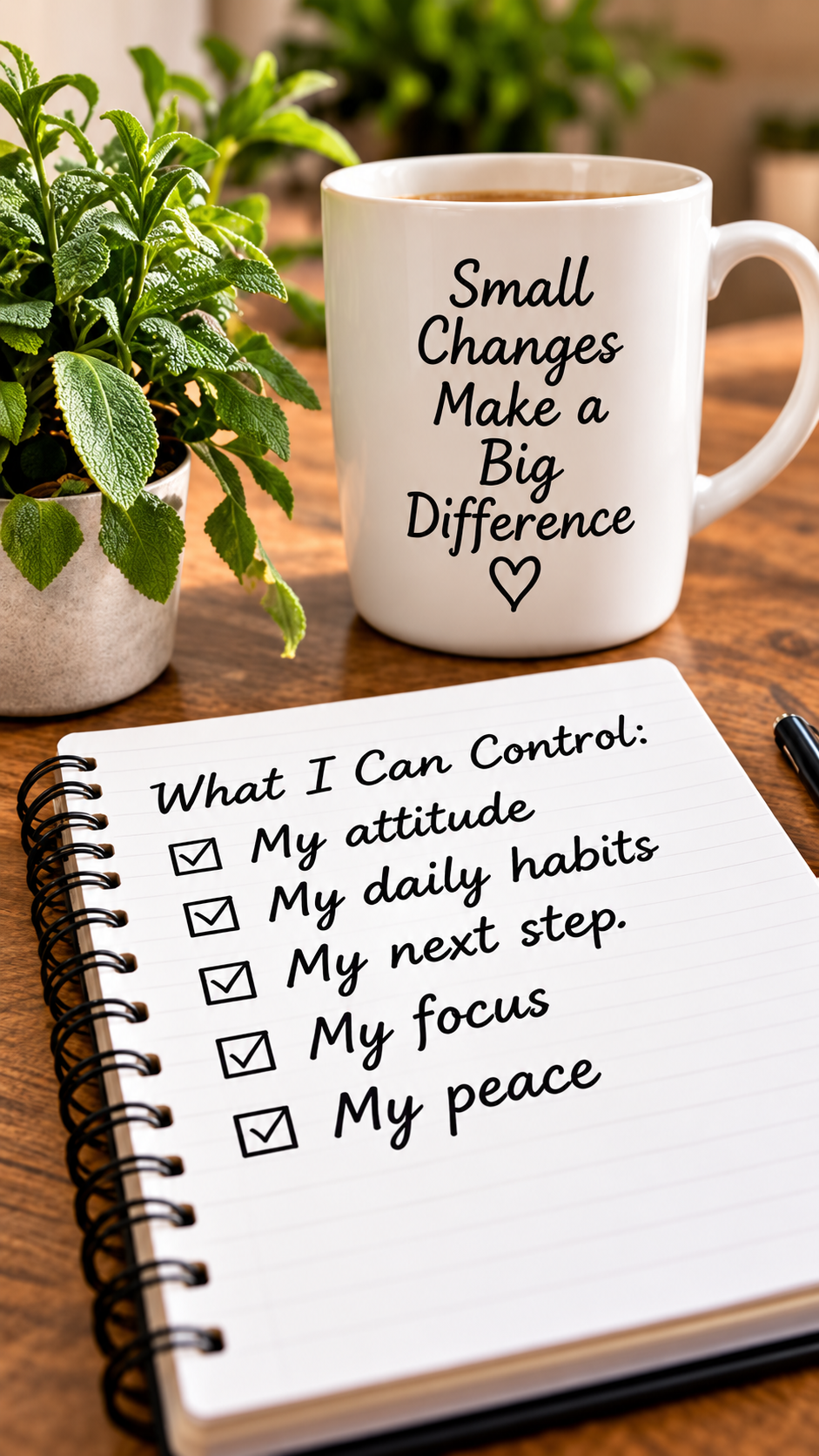
Audit Your Environment: What Can You Actually Change?
The first step in building stability during chaotic times is conducting an honest audit of your current circumstances.
Look across the major pillars of your life:
Business and Career
What projects, workflows, or professional obligations can you streamline or tightly manage?
Personal Life
What daily behaviors, living spaces, or personal habits are within your immediate jurisdiction?
Relational and Health
Which wellness routines or relationships can you actively direct?
Every chaotic season features variables that are completely out of your hands. Trying to fix or control what you cannot influence is a fast track to exhaustion and burnout.
Instead, pinpoint the specific areas where you have direct agency. Pick an area—such as your health or a core business task—where you can step in, make a clear decision, and implement a change that fosters stability.
If everything feels entirely out of control because too many elements are up in the air simultaneously, you must pivot to the second strategy.
Secure an Anchor: Creating Micro-Stability
When external circumstances refuse to settle down, you cannot wait for your environment to fix itself. You have to manufacture your own stability from the ground up by grabbing onto predictable anchors.
Consider the power of a strict morning routine. Whether you wake up at 4:00 AM, 5:00 AM, or 6:00 AM, having a non-negotiable anchor at the start of your day creates an island of predictability.
It doesn't have to be waking up early; it could be committing to working out every single day, journaling, or a dedicated reading habit.
When life feels overwhelmingly chaotic—perhaps you have a sick family member, a demanding project, and a shifting schedule—you might feel completely paralyzed, unsure of what to do next.
That is precisely when you need to grab onto a micro-habit and use it as your anchor to ride out the transition.

Strategic Steps to Regain Your Footing
Isolate Your Controllables
Stop worrying about external chaos and isolate the exact components of your business, personal life, or health that you have the power to alter.
Build an Anchor Routine
Establish a consistent daily habit—like a strict morning schedule or daily physical exercise—to serve as your anchor when everything else is fluctuating.
Embrace Intentional Focus
Recognize that trying to fix everything at once is counterproductive. Focus only on what is inside your control and what is stable.

Stability Can Be Built
Transitions will always test your limits, but chaos doesn't have to mean a complete loss of control.
By focusing on what you can change and holding tightly to small, stable daily routines, you can navigate any season of life with confidence and resilience.
What is one daily routine or anchor you can implement this week to bring more stability into your chaotic schedule?
Ready to Take Your Next Step?
If life feels unstable or overwhelming, counseling can help you identify what is within your control, build steady routines, and move forward with greater clarity and confidence.