Why Motivation Isn’t Enough: How Discipline, Mindset, and Belief Lead to Lasting Success
August 10, 2026
Overcoming Blind Spots: Why Every Runner Needs a Coach to Reach Their Full Potential
August 19, 2026The Power of Self-Forgiveness: A Journey Toward Emotional Healing and Lasting Freedom
Everyone makes mistakes. Some are small and quickly forgotten, while others leave lasting scars that shape how we see ourselves for years. We often speak about the importance of forgiving others, encouraging people to let go of bitterness and resentment so they can move forward. However, one of the greatest obstacles to personal growth is not the inability to forgive someone else—it is the inability to forgive ourselves.
Many people spend years carrying guilt, regret, and shame over decisions they wish they could undo. Even after achieving success, rebuilding relationships, or making positive changes, they continue to believe they are defined by their worst moments. They become trapped in an endless cycle of self-condemnation, unable to fully enjoy the life they have worked so hard to build.
True self-forgiveness and emotional healing begin when we stop fighting against our past and start accepting the forgiveness that is already available to us. Forgiving yourself is not about pretending mistakes never happened. It is about accepting responsibility, learning from those experiences, and refusing to let them determine the rest of your life.
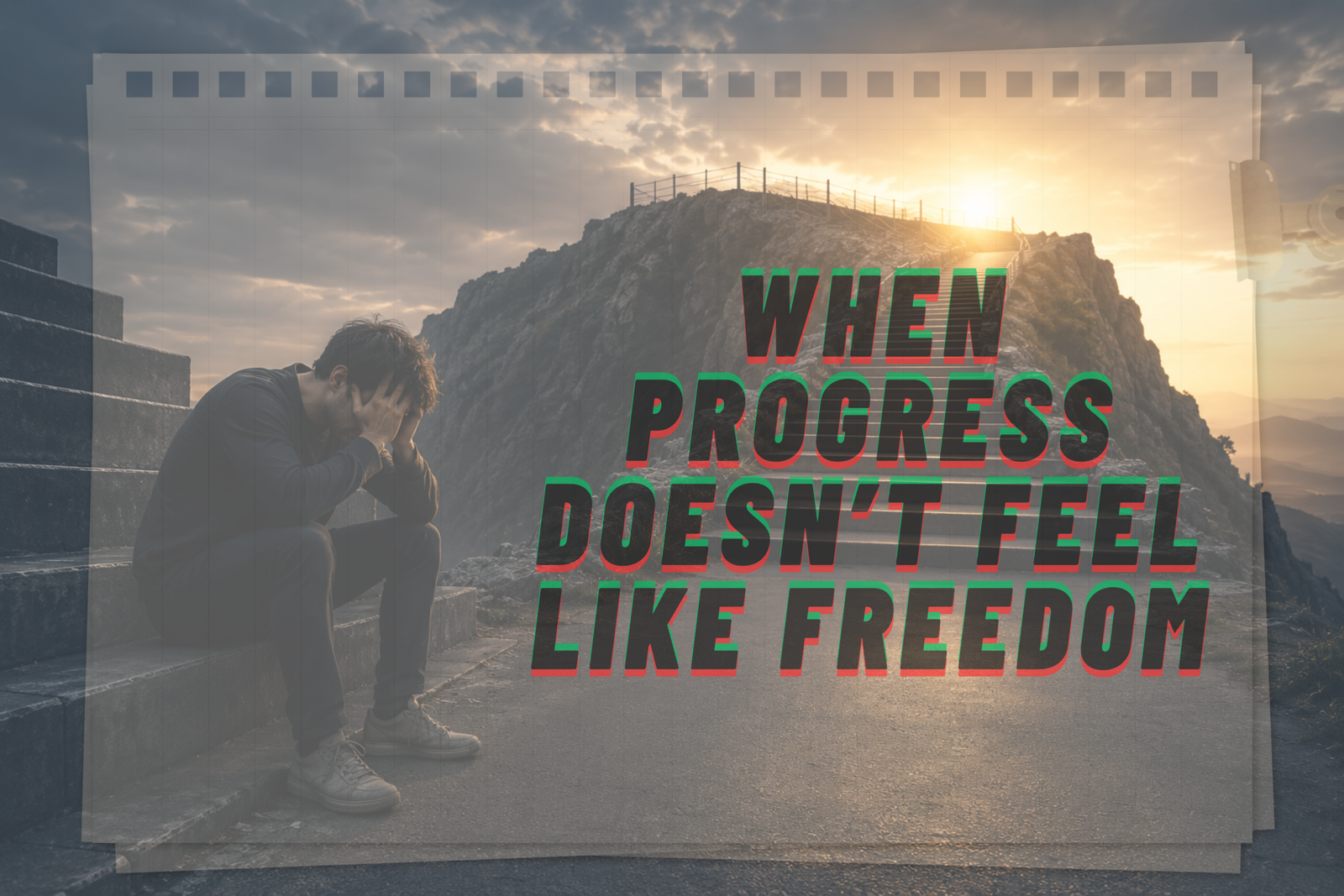
When Progress Doesn’t Feel Like Freedom
One of the most surprising realities of personal growth is that external progress does not always create internal peace. A person may improve their relationships, advance in their career, develop healthier habits, and accomplish goals they once thought were impossible. Yet despite all this progress, they may still carry the heavy burden of past mistakes.
Sometimes relationships improve, personal growth becomes evident, and life moves in a positive direction. Yet something continues to hold you back.
“There has been an increasing amount of change, amazing progress… but they were struggling to accept the forgiveness that existed in front of them.”
This statement reveals an important truth. Growth is not only about changing your circumstances—it is also about changing how you see yourself. You can improve every area of your life, but if you continue believing you are unworthy of forgiveness, your past will continue to overshadow your present.
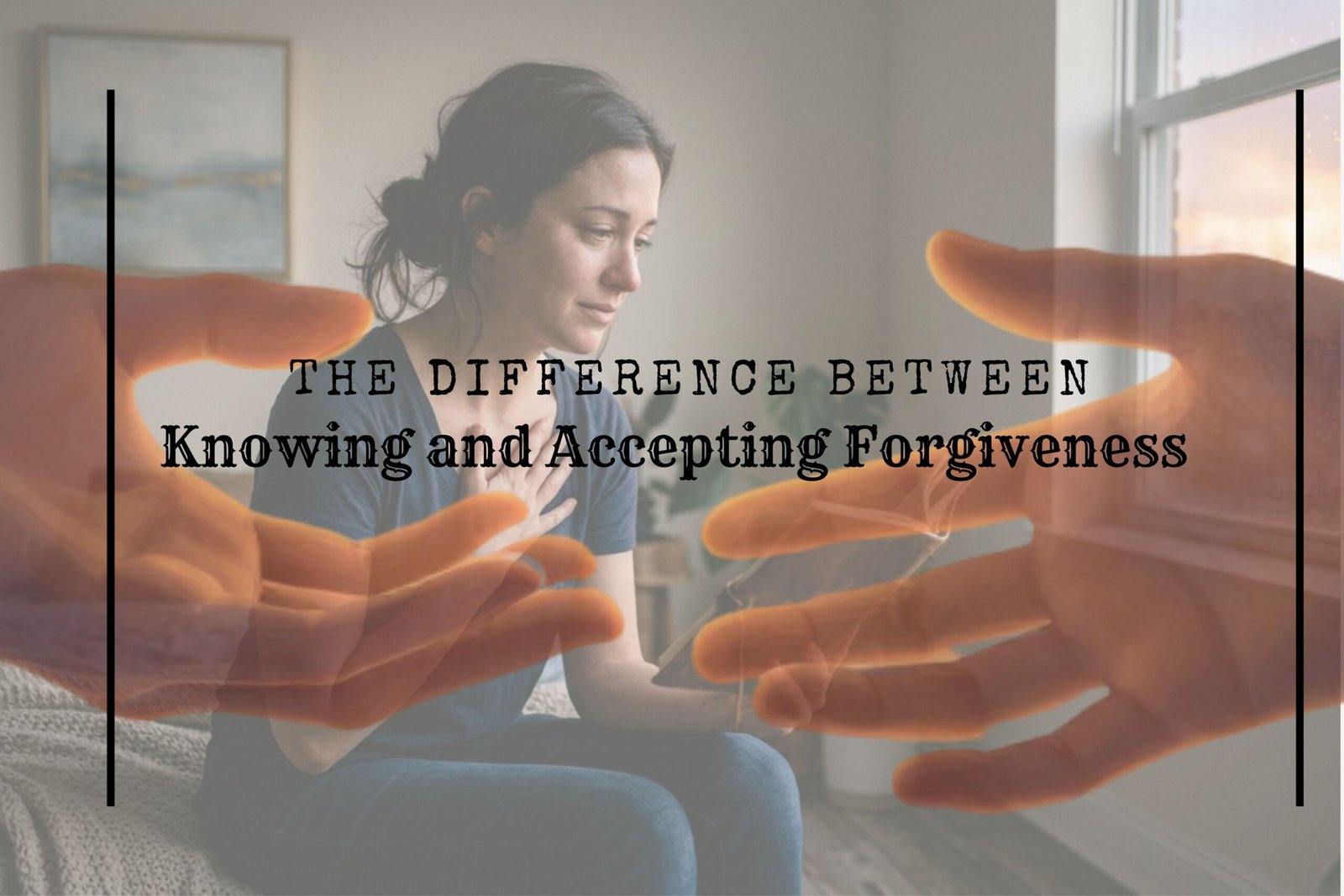
Many people understand forgiveness as a concept. They believe in grace, second chances, and redemption. They encourage friends and family to move on from their mistakes. Yet when they think about their own failures, they become far less compassionate. This creates a gap between what we believe and how we live.
It's important to just accept… master accepting forgiveness. Forgive yourself.
These words highlight the difference between simply knowing forgiveness exists and actually receiving it.
Knowing forgiveness is available does little if we continue replaying old failures in our minds every day. Emotional healing begins when we allow ourselves to believe that our mistakes no longer have the authority to define our identity.
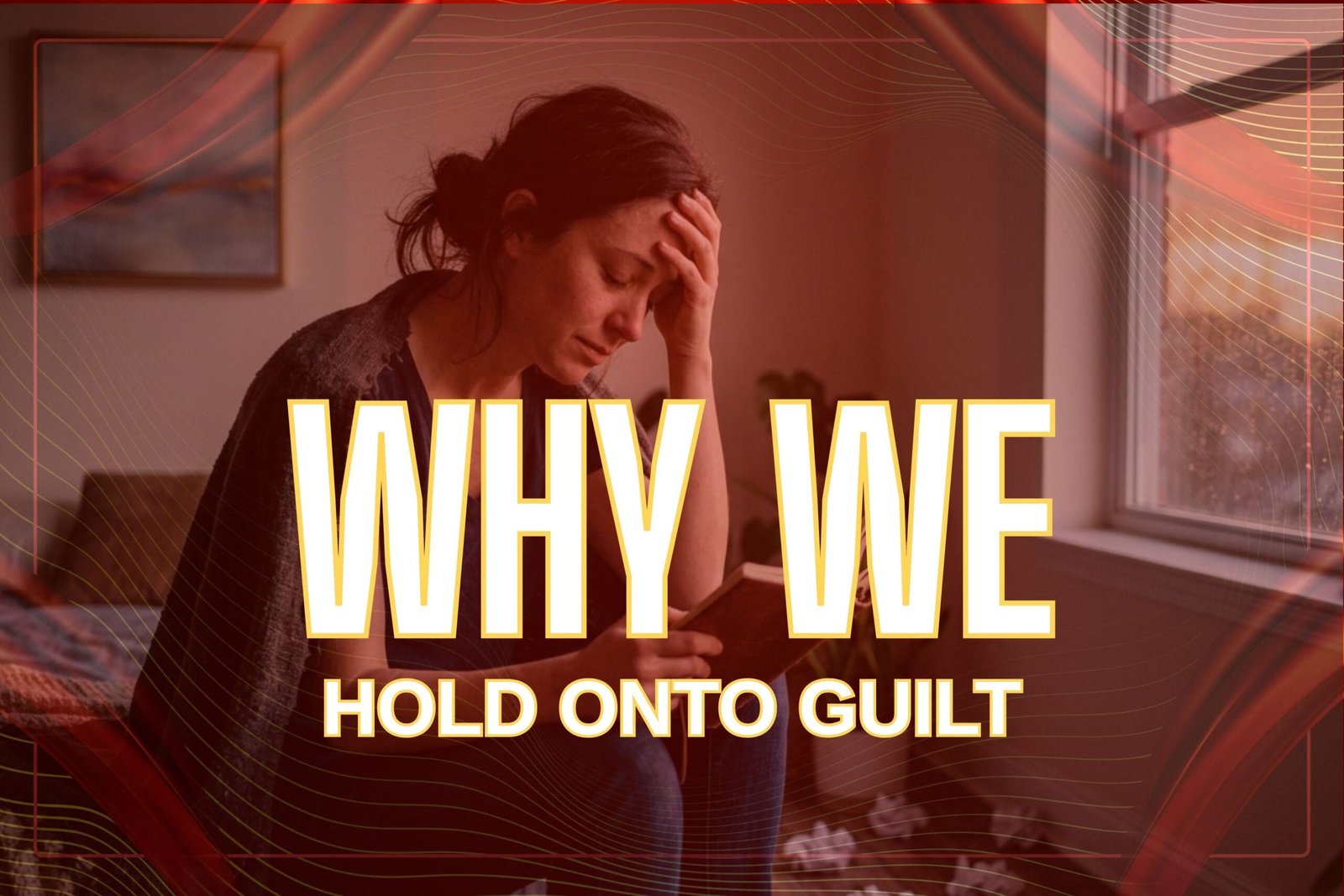
Many people believe that holding onto guilt somehow proves they are taking responsibility. They think that if they stop feeling bad about the past, they are minimizing what happened. In reality, endless guilt rarely produces growth. Instead, it creates emotional paralysis. When we refuse to forgive ourselves, we remain mentally stuck in moments that can never be changed. We continue punishing ourselves long after the lesson has already been learned.
Sometimes this struggle is connected to our values or faith. People who hold themselves to high moral standards often judge themselves more harshly than anyone else ever would. They understand forgiveness intellectually but struggle to believe it truly applies to them.
The result is constant inner conflict.
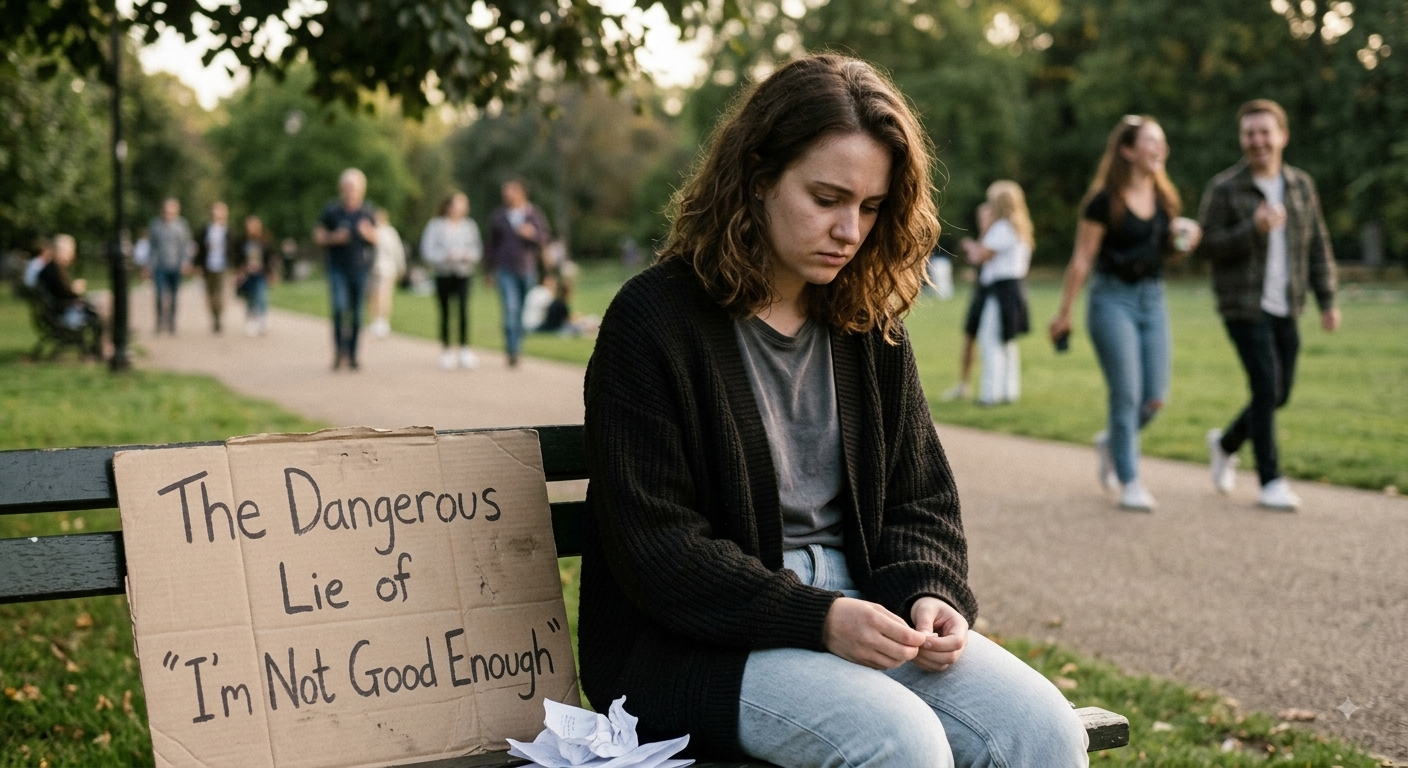
The Dangerous Lie of “I’m Not Good Enough”
One of the greatest consequences of unresolved guilt is that it slowly changes our identity.
Instead of thinking,
“I made a mistake,”
we begin believing,
“I am a failure.”
This subtle shift affects every area of life. If you’re in a place right now where you’re hurting and you’re thinking, "I’m not good enough… never gonna be good enough"… maybe you need to forgive yourself.
These thoughts often become deeply rooted because they are repeated over and over again.
Eventually they begin influencing our decisions.
We hesitate to pursue opportunities because we expect failure.
We struggle to accept compliments because we believe we do not deserve them.
We keep people at a distance because we fear they will eventually discover our flaws.
The problem is no longer the original mistake.
The problem becomes the identity we have built around it.

Why Self-Forgiveness Is Essential for Emotional Healing
Forgiving yourself is not a weakness.
It is not denial.
It is not pretending your actions had no consequences.
Instead, self-forgiveness is the decision to stop allowing yesterday to control today.
Every healthy relationship requires forgiveness at some point. The same is true for the relationship you have with yourself.
When you forgive yourself:
- You replace shame with growth.
- You gain confidence to move forward.
- You become more compassionate toward others.
- You stop measuring your future by your past.
- You create room for genuine emotional healing.
The goal is not perfection.
The goal is progress.

Practical Steps Toward Self-Forgiveness
Learning to forgive yourself is a daily practice rather than a one-time decision. Here are several practical ways to begin that journey.
1
Be Honest About the Past
Healing always begins with honesty.
Acknowledge what happened without making excuses. Accept responsibility where necessary, but remember that responsibility and lifelong shame are not the same thing.
Mistakes can become valuable teachers if we allow them to shape our wisdom rather than our identity.
2
Separate Who You Are From What You Did
Your actions are part of your story, but they are not your entire identity.
The choices you made years ago were influenced by your knowledge, emotions, and circumstances at that time.
Today you are growing.
Today you are learning.
Today you are becoming someone different.
Never confuse a chapter of your story with the entire book.
3
Offer Yourself the Compassion You Give Others
Imagine your closest friend made the exact same mistake.
Would you tell them they deserve to suffer forever?
Would you remind them of their failure every single day?
Of course not.
You would encourage them to learn, grow, and move forward.
You deserve that same compassion.
4
Accept Grace
Whether your source of forgiveness comes through faith, spiritual reflection, or personal healing, it only transforms your life when you choose to receive it.
Continuing to punish yourself does not make you more responsible.
It simply keeps old wounds open.
Accepting forgiveness allows those wounds to finally heal.
5
Replace Negative Self-Talk
Pay close attention to your internal dialogue.
Instead of saying:
“I’ll never change.”
Choose thoughts like:
- I am learning.
- I am growing.
- My past does not define me.
- Every day is a new opportunity.
These simple changes gradually reshape the way you think about yourself.
Healing Is Built One Choice at a Time

Many people expect emotional healing to happen instantly.
In reality, healing is usually gradual.
It happens every time you choose hope over shame.
Every time you stop replaying an old mistake.
Every time you refuse to believe the lie that your worst moment defines your future.
“It’s a bunch of pieces… and that’s definitely one of them.”
Self-forgiveness is one of those essential pieces.
Without it, lasting peace remains difficult to experience.
With it, growth becomes much lighter because you are no longer carrying unnecessary emotional weight.
Moving Forward With Freedom

Every person has regrets. Every person has moments they wish they could change. But no one has the power to rewrite yesterday. What we do have is the ability to choose how we respond today.
The central lesson is simple yet life-changing: forgiveness must become personal. It is not enough to believe in forgiveness for everyone else while refusing to extend that same grace to yourself. True transformation begins when you release self-condemnation and accept that growth, healing, and hope are still possible.
Self-forgiveness and emotional healing are lifelong journeys, but every step forward matters. By learning from your mistakes instead of living inside them, you create space for healthier relationships, greater confidence, and deeper peace. Your past may have shaped your story, but it does not have to determine your future. Choose to forgive yourself, embrace the lessons you have learned, and move forward knowing that your greatest chapters are still waiting to be written.