
The Power of Self-Forgiveness: A Journey Toward Emotional Healing and Lasting Freedom
August 11, 2026
The 80% Rule: Why Perfection is the Enemy of Progress and How to Ship Faster
August 24, 2026The Myth of Going It Alone
When we think about achieving big goals—whether it's running a marathon, growing a successful business, or mastering a new skill—we often imagine success as a solo journey. We tell ourselves that if we work hard enough, stay disciplined, and never give up, we'll eventually reach our destination.
While determination and consistency are essential, they aren't always enough. Sometimes the biggest obstacle isn't a lack of effort—it's a lack of perspective.
In Video 9, the speaker shares his experience of completing several marathons without ever hiring a running coach. His training philosophy was simple: run more miles and keep pushing forward. That strategy helped him finish multiple races, but over time he realized something important. No matter how experienced we become, we all have blind spots that are impossible to recognize on our own.
That realization changed his approach to marathon training. Instead of relying solely on hard work, he embraced the value of coaching, expert feedback, and the encouragement of people who genuinely wanted to see him succeed.
This article explores why blind spots hold us back, how a running coach can unlock better performance, and why surrounding yourself with the right support system is one of the smartest investments you can make.
What Are Blind Spots?
Blind spots are the weaknesses, habits, or mistakes we cannot easily recognize in ourselves. Just as a car has areas a driver cannot see without checking the mirrors, our thinking and performance also have hidden areas that require another person's perspective.
The challenge is that we usually don't know these blind spots exist. We believe we're doing everything correctly because we've repeated the same routine for so long.
Whether you're training for a marathon, leading a team, or learning a new skill, blind spots can quietly limit your progress.
The Habit Loop
Repeating the same routine creates confidence, but it can also create complacency. Over time, habits become automatic, making it difficult to notice small mistakes before they become bigger problems.
For runners, this might include:
- Poor running form
- Incorrect pacing
- Overtraining
- Inadequate recovery
- Poor nutrition
These issues may not seem significant at first, but over months of training they can reduce performance and increase the risk of injury.
The Comfort Zone Trap
People naturally stick with what feels familiar. Even when progress slows, changing our approach can feel uncomfortable.
Unfortunately, growth rarely happens inside our comfort zone.
Many runners simply respond to slower progress by adding more miles. However, doing more of the same doesn't always produce better results. Sometimes improvement comes from doing things differently rather than doing more.
The Illusion of Self-Awareness
Most people believe they evaluate themselves objectively. In reality, emotions, pride, and personal bias influence how we judge our own performance.
That's why even elite athletes rely on coaches.
A coach sees what the athlete cannot.
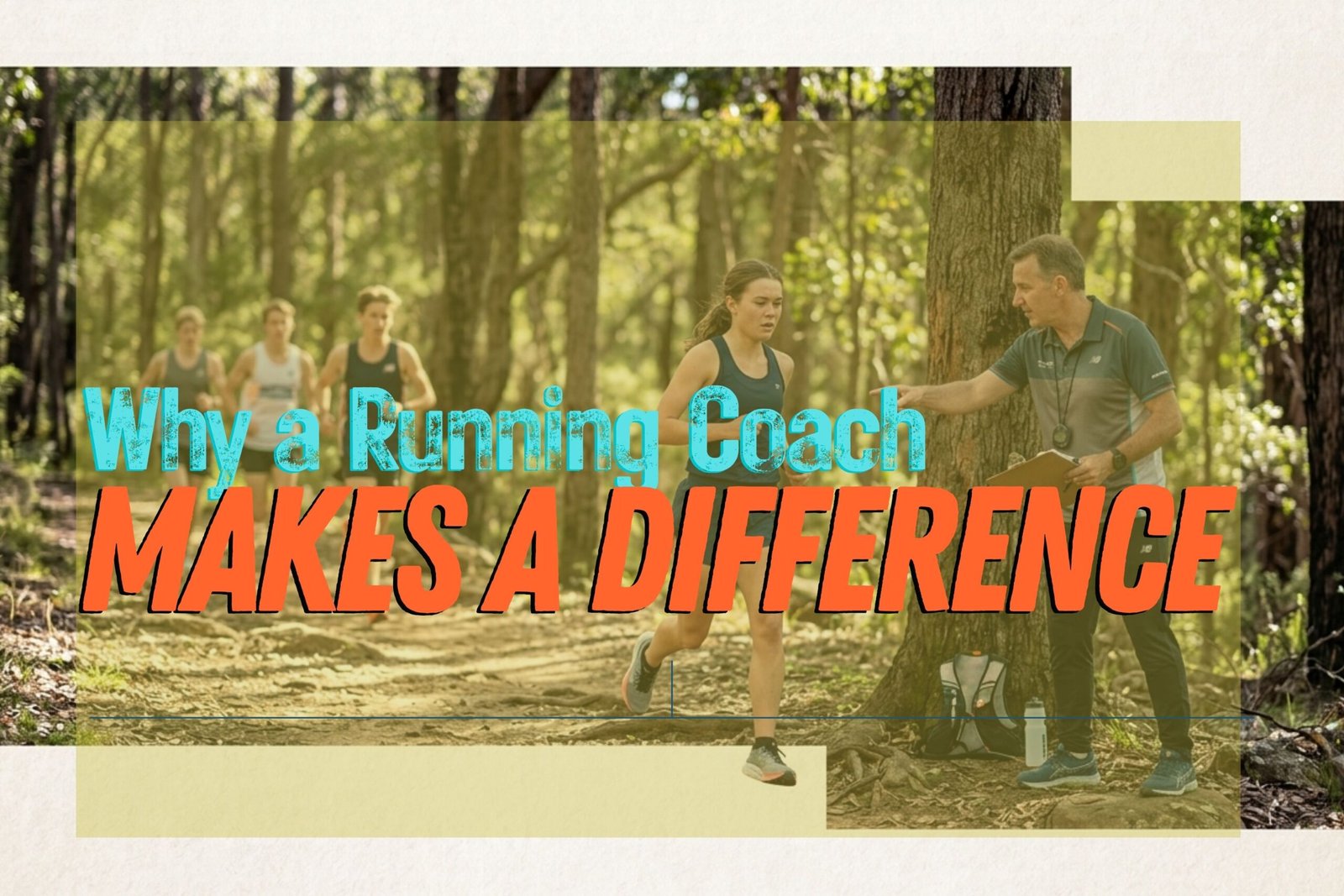
When I eventually decided to work with a running coach, it transformed the way I approached marathon training. Instead of focusing only on distance, I learned that success depends on several interconnected factors.
The Value of Outside Perspective
One of the most powerful lessons from the video is this:
"Our perspective doesn't allow us to see when our perspective is off unless someone else helps us."
This simple statement applies to far more than running.
In business, relationships, leadership, education, and personal growth, outside perspectives reveal problems we cannot identify ourselves.
A coach doesn't replace hard work.
Instead, they ensure your hard work is directed in the right direction.
Working harder with the wrong approach often produces frustration.
Working smarter with expert guidance produces consistent improvement.

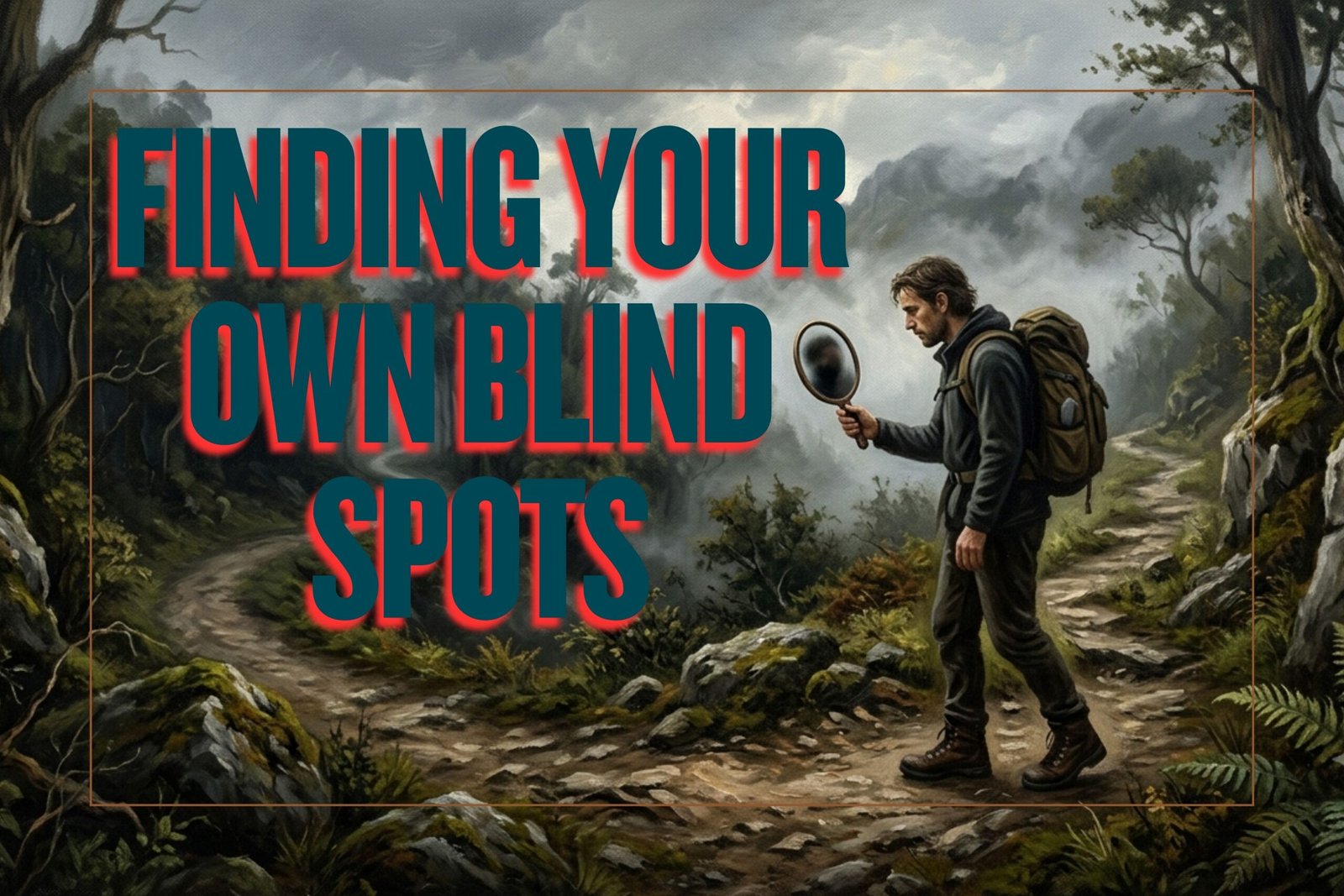
Finding Your Own Blind Spots
Everyone has areas they struggle to recognize.
Taking time for honest reflection can reveal opportunities for growth.
Ask yourself:
- Where am I working hard but seeing little progress?
- What advice do trusted people keep giving me?
- Am I learning from experts or relying only on trial and error?
- What habits might be limiting my growth?
Being willing to ask these questions is a sign of maturity, not weakness.
Growth begins when we accept that we don't have all the answers.
The Importance of a Strong Support System
Professional coaching is valuable, but emotional support is equally important.
Near the end of the video, the speaker points to his children playing nearby and describes them as his biggest cheerleaders.
That moment reminds us that success isn't only about personal achievement.
Behind every successful person is often a group of people who provide encouragement, motivation, and hope during difficult moments.
A healthy support system may include:
- Coaches who provide expert guidance
- Mentors who share wisdom and experience
- Friends who encourage perseverance
- Family members who celebrate every milestone
These people remind us why we started and inspire us to keep moving forward when challenges arise.
Hard work will always be an essential part of success, but hard work alone isn't enough.
If you're putting in maximum effort but seeing limited results, the problem may not be your commitment—it may be your perspective.
Blind spots affect everyone, regardless of experience or skill level. That's why even seasoned marathon runners continue to seek guidance from experienced coaches.
Whether your goal is to improve your marathon performance, advance your career, or become the best version of yourself, don't be afraid to ask for help. A running coach, mentor, or trusted supporter can provide the insight you need to move beyond your limitations.
Success isn't about proving you can do everything alone. It's about having the humility to recognize what you cannot see, the wisdom to learn from others, and the courage to keep growing.
Sometimes, the fastest path forward begins with someone helping you see what has been there all along.