Breaking Through Procrastination: Why “Just Doing It” Is the Ultimate Key to Personal Growth
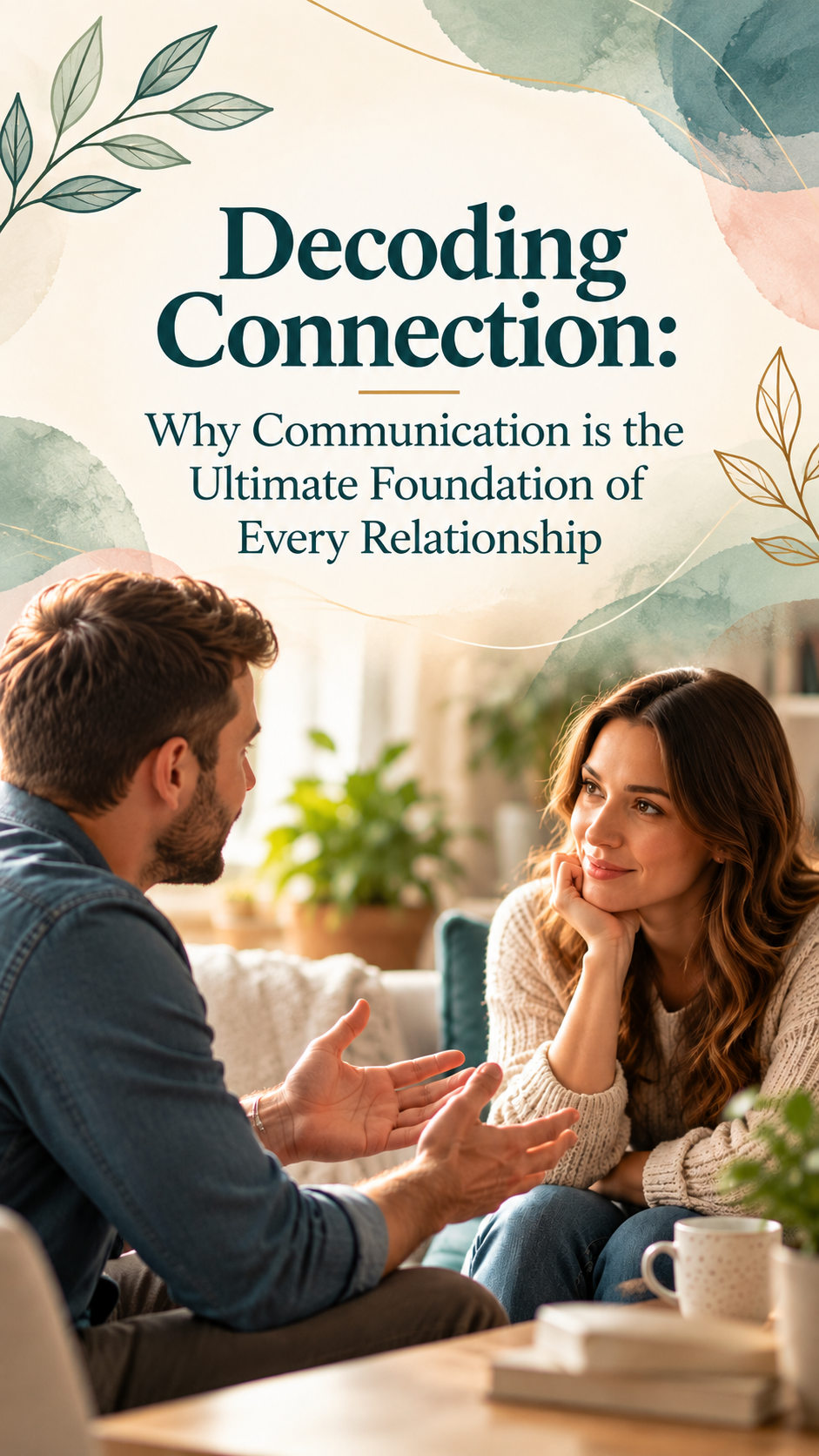
September 30, 2026Decoding Connection: Why Communication Is the Ultimate Foundation of Every Relationship
When we think about what makes relationships thrive—whether romantic partnerships, family bonds, friendships, or professional connections—one core pillar invariably stands above the rest: communication.

What Does Effective Communication Really Mean?
In nearly every piece of relationship advice, counseling session, or self-help workshop, we are told that communication is the key to resolving conflict, building intimacy, and maintaining trust.
But what does effective communication actually mean? Why is it so difficult to master, and how can understanding its hidden components completely transform our interactions with others?
Why Communication Matters Most
Every meaningful relationship begins with a conversation. From the moment we meet someone, we are exchanging verbal and non-verbal cues that lay the groundwork for trust.
Yet, despite how often we communicate, misunderstandings remain a major source of friction, arguments, and emotional drift in relationships.
When communication breaks down, feelings of isolation, resentment, and disconnection can quickly take root.
Conversely, when individuals learn how to express themselves clearly and listen with empathy, relationships deepen, conflicts resolve faster, and mutual respect flourishes.
Whether you are seeking help from a relationship coach, attending couples therapy, or simply trying to understand a loved one better, improving your communication skills can create lasting benefits.

Breaking Down the Components
Communication is not a single, monolithic act. It is a complex spectrum made up of multiple components. To improve how we connect with others, we must understand what happens when we speak, listen, and react.
Verbal
The actual words we choose allow us to articulate thoughts, share boundaries, and invite others into our internal world.
Non-Verbal
Tone, facial expressions, posture, gestures, and presence all influence how our message is received.
Emotional
Our emotional state affects how we speak, listen, react, and interpret what another person is communicating.

The Power of Words vs. Tone
Psychological and sociological research into human communication has revealed important insights into how we interpret messages.
While exact percentages vary depending on the context of the conversation, research frequently highlights that words alone do not account for the entire impact of a message.
The literal words we choose.
Inflection, volume, pitch, and cadence influence how our intent is perceived.
Facial expressions, posture, and gestures complete the picture.
If your tone is harsh, dismissive, or sarcastic, even carefully chosen words may fail to land positively.
Patterns That Erode Connection
Even with the best intentions, many people fall into predictable communication traps that can slowly damage connection over time.
Assuming Intent
Believing you already know what the other person is thinking or feeling without actually asking.
Defensiveness
Reacting to feedback or criticism by building a wall or immediately turning the blame back onto the speaker.
Selective Listening
Hearing only what you want to hear, or planning your next rebuttal instead of listening to understand.
Tone Disconnect
Delivering a serious or loving message with a tone that feels harsh, abrasive, or disconnected from the words being spoken.
Improve Your Daily Interactions
Transforming your communication style does not happen overnight, but practical changes can lead to meaningful improvements in both personal and professional relationships.
Practice Active Listening
Put aside distractions, quiet your internal monologue, and focus entirely on the speaker.
Do not simply wait for your turn to speak. Seek to understand their perspective before responding.
Pay Attention to Your Tone
Before speaking, pause briefly and check your emotional state.
Ask yourself whether your tone matches the loving or constructive message you want to communicate.
Use “I” Statements
When addressing conflict, focus on your own feelings instead of attacking the other person.
For example: “I feel unheard when we talk about this, and I’d love to explore it further together.”
Seek Guidance When Needed
If communication patterns feel deeply entrenched or unhealthy, a therapist, counselor, or relationship coach can provide objective tools and a safe place to rebuild trust.

Building Lasting Connections Through Intentional Dialogue
Communication is the lifeblood of human connection.
By recognizing that effective communication goes far beyond mere vocabulary— encompassing tone, non-verbal cues, and deep empathy—we open the door to healthier, more fulfilling relationships.
Whether you are working to strengthen a romantic partnership, heal a family rift, or simply become a more conscious communicator, every intentional conversation is a step toward deeper understanding and lasting trust.
Ready to Strengthen Your Relationships?
Counseling can help you understand communication patterns, build healthier conversations, and create deeper connection with the people who matter most.